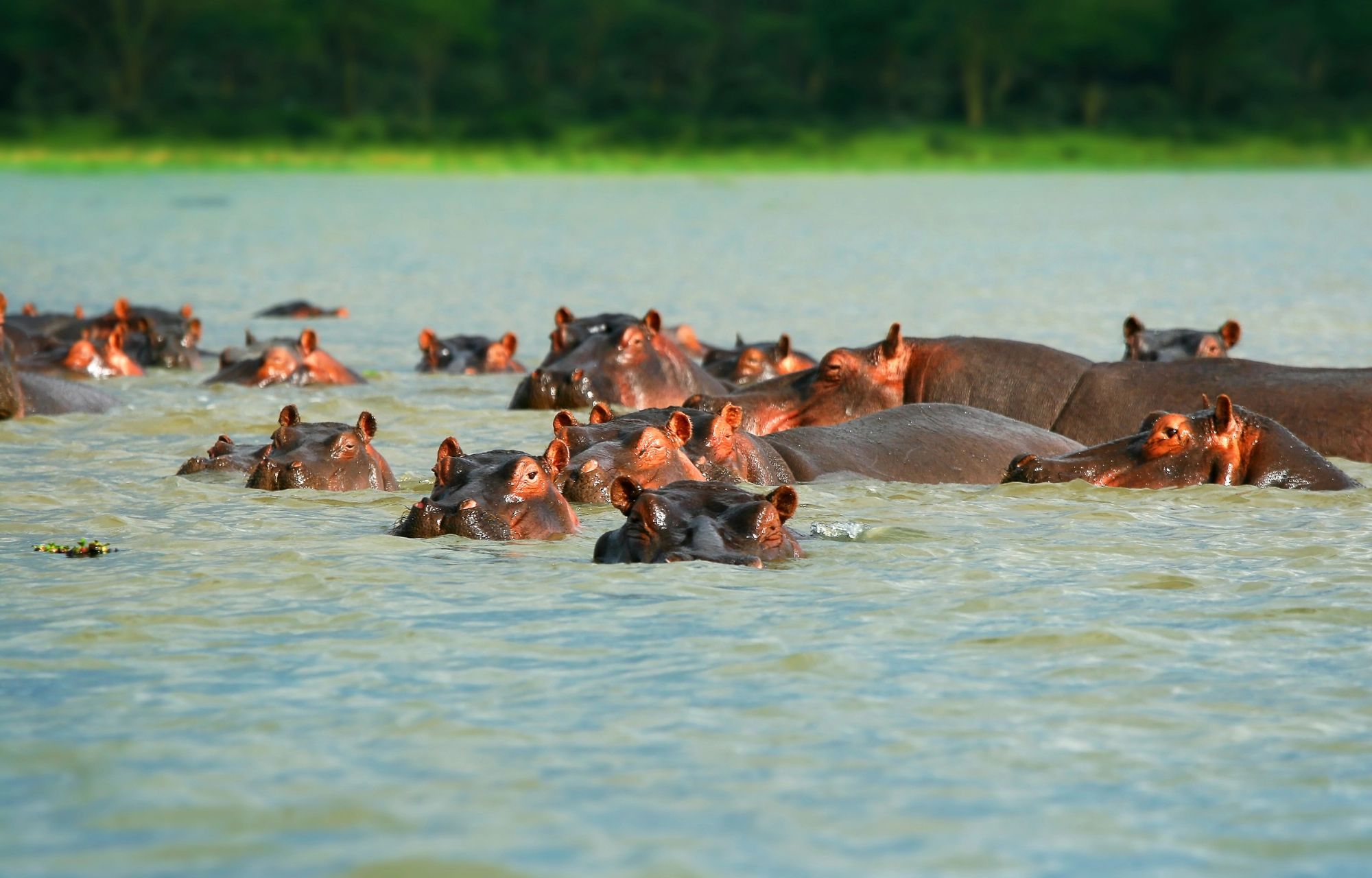
Botswana
The country that floods in the dry season
The Okavango’s water arrives from Angolan rain months earlier and hundreds of miles away, which is why Botswana works exactly when everywhere else is drying out.
The Okavango Delta — water camps
Camps on permanent water, where the activities are mokoro, motorboat and walking on islands rather than game drives. Birdlife is exceptional, the pace is slow, and being at eye level with the reeds in a dugout is the thing people remember.
The flood arrives around May and peaks between June and August, which is the reverse of the rainfall calendar and takes some explaining.
The Okavango Delta — land camps
Camps on the larger islands and the drier fringes, where game drives, off-road driving and night drives are the main activities and predator density is high.
Most good Delta itineraries take one of each. They are genuinely different days and combining them is the single best thing you can do here.
The Linyanti and Selinda
Private concessions between the Delta and Chobe, with elephant numbers in the dry season that are difficult to describe without sounding as though you are exaggerating. Very low vehicle density — often none at all outside your own camp.
The strongest second stop after a Delta water camp.
Chobe
The riverfront, and boat-based game viewing that puts you level with drinking elephant. More accessible and more visited than the concessions, and the usual bridge between Botswana and Victoria Falls.
The Kalahari
Space and silence. Desert-adapted species, enormous skies, and a green-season transformation between December and April when the rains bring calving, migratory zebra and a landscape nobody expects.
The opposite season to the rest of the country, which makes it the answer for anybody whose dates fall in the Southern African summer.
Why it costs what it costs
Botswana is the most expensive safari country in this collection, and the reason is structural rather than fashionable.
- Camps sit on private concessions leased from the state or from communities
- Each lease fixes a maximum number of beds across a very large area
- Government bed levies apply per person per night
- Almost everything arrives by light aircraft, including the food
- Fewer beds over more land means a higher price per bed, by design
What you are buying is other people not being there. Whether that is worth the premium depends on how much it matters to you — and for some travellers it is the only thing that matters.
| Nights | Where | Why |
|---|---|---|
| 3 | Okavango water camp | Mokoro, boats, birds, slow days |
| 3 | Linyanti or Selinda concession | Elephant, predators, almost no other vehicles |
| 2–3 | Chobe or Victoria Falls | A different kind of ending, and easy flights home |
More from our Africa guides
Specialist guides across our Africa network
Each of these is a focused guide we publish. Same Africa specialist behind every enquiry.
Ready to turn this into a real itinerary?
Send us your dates, who is travelling and roughly what you want to spend per person per night. Our Africa specialist comes back within 24 hours with a plan built around them and a costed quote.